Buying property in Italia - guidance
Guidance #1
What does it cost to buy property in Tuscany?
"The real cost of buying property in Tuscany: Beyond the purchase price"
Topics to cover:
Property purchase price
Registration taxes
Notary fees
Legal fees
Agency fees
Renovation budgets
Annual property taxes
Maintenance costs
This topic typically attracts highly qualified buyers because they are actively planning a purchase.
Guidance #2:
Common mistakes foreign buyers make in Italy
Key mistakes to cover:
Falling in love with a property before verifying legal status.
Underestimating renovation costs.
Ignoring local planning restrictions.
Buying in the wrong location for their lifestyle.
Relying solely on online listings.
Failing to understand ongoing ownership costs.
Not building a local professional team.
Rushing the process.
Not thinking of the possibility for exit and exit value
Guidance #3:
How to buy property in Tuscany as a foreigner
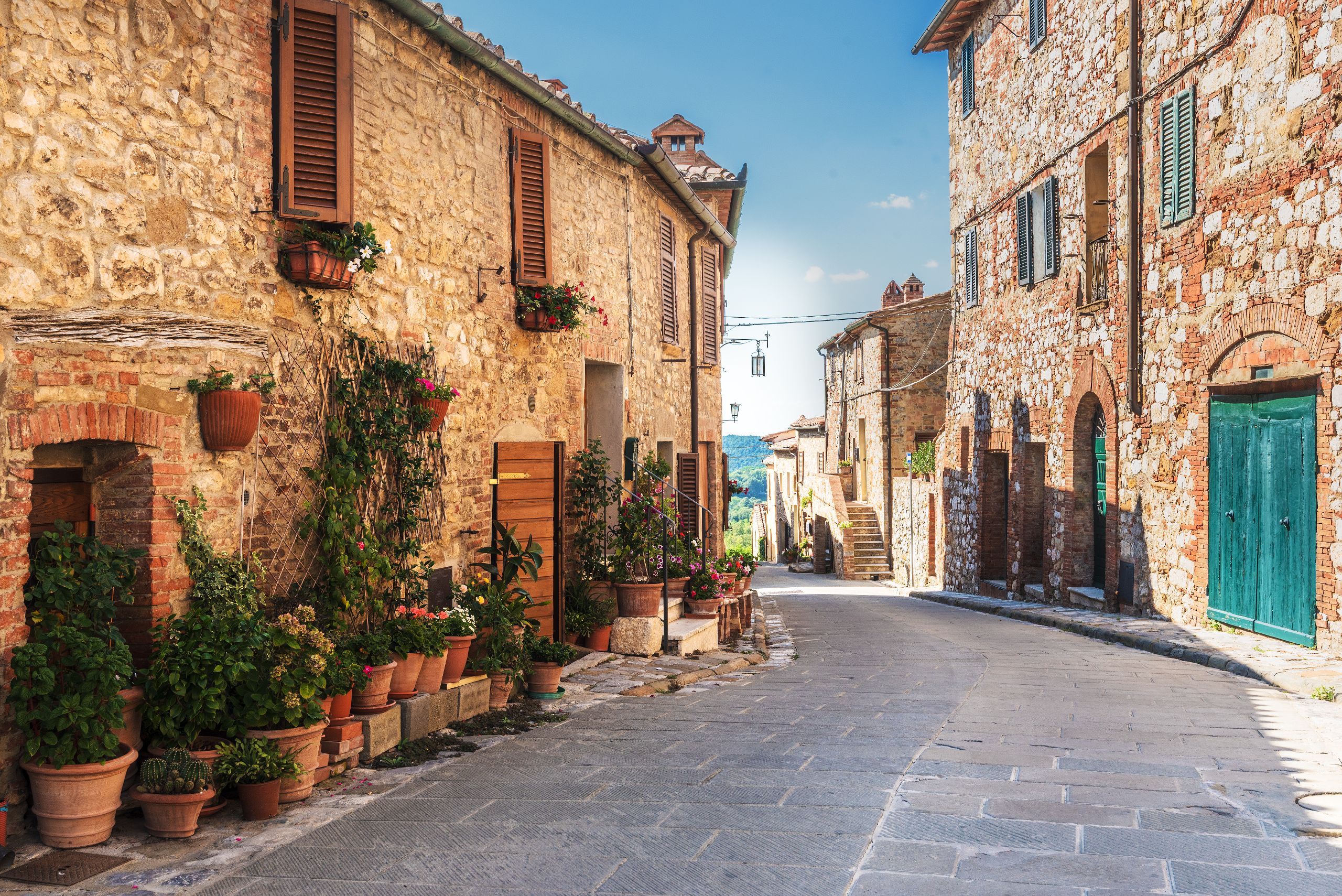
For many international buyers, owning a home in Tuscany represents more than an investment – it is the realization of a long-held dream. Rolling vineyards, historic villages, exceptional cuisine, and a relaxed lifestyle make Tuscany one of Europe's most desirable destinations for a second home or permanent relocation.
The good news is that foreigners can purchase property in Italy, and the process is generally straightforward when approached correctly. However, navigating the local market, legal requirements, and regional differences requires preparation and local expertise.
Step 1:
Define your objectives
Before beginning your search, consider how you intend to use the property:
Holiday home
Permanent residence
Retirement property
Investment or rental property
Renovation project
Your objectives will influence the location, property type, budget, and legal considerations.
Step 2:
Understand the local market
Tuscany offers a wide variety of opportunities, from apartments in historic towns to country villas and traditional farmhouses. Prices and availability vary significantly between regions such as Chianti, Val d'Orcia, Lucca, Florence, and the Tuscan coast.
Working with a trusted local advisor can help you identify opportunities that align with your goals and avoid costly mistakes.
Step 3:
Conduct due diligence
Before making an offer, it is essential to verify:
Ownership records
Planning permissions
Building compliance
Existing mortgages or liens
Renovation restrictions
Particularly for historic properties, additional regulations may apply.
Guidance #4:
The complete property buying process
Purchasing a property in Tuscany is an exciting journey, but understanding the process beforehand can help avoid surprises and make the experience more enjoyable.
Initial consultation
Every successful property search begins with a clear understanding of your goals, lifestyle requirements, preferred locations, and budget.
Property search
Once criteria have been defined, a curated selection of suitable properties can be identified. This saves time and ensures that only relevant opportunities are considered.
Property visits
Viewing properties in person provides valuable insight into the location, condition, accessibility, and overall suitability of each option.
Offer and negotiation
After identifying the right property, negotiations begin. This stage often includes discussions around price, timing, conditions, and potential renovations.
Legal due diligence
Professional verification of ownership, planning compliance, cadastral records, and legal status is essential before proceeding.
Preliminary agreement
The Compromesso secures the transaction and establishes the obligations of both parties.
Final completion
The Rogito, signed before a notary, officially transfers ownership.
Post-purchase support
Many buyers require assistance after completion, including:
Utility transfers
Renovation planning
Property management
Local contractor introductions
Administrative support
With the right guidance, the buying process can be transparent, efficient, and rewarding.
At Tuscan Living, we support clients throughout every stage of the journey, helping transform a dream of Tuscany into reality.
Guidance #5:
Best areas to buy property in Tuscany
One of the first questions prospective buyers ask is: "Where should I buy property in Tuscany?"
The answer depends on your lifestyle, budget, and long-term goals. Here are some of the most popular areas.
Lucca
A charming historic city with excellent infrastructure and proximity to both Pisa and the coast.
Ideal for:
Year-round living
Families
Buyers seeking urban amenities
Chianti
Known for vineyards, picturesque villages, and easy access to Florence and Siena.
Ideal for:
Wine enthusiasts
Holiday homes
Traditional Tuscan landscapes
Val d'Orcia
Perhaps the most iconic Tuscan scenery, featuring rolling hills, cypress-lined roads, and UNESCO-protected landscapes.
Ideal for:
Luxury properties
Peace and privacy
Long-term lifestyle investment
Siena
Rich history, beautiful architecture, and strong international appeal.
Ideal for:
Historic properties
Cultural lifestyle
Rental opportunities
Maremma
Located in southern Tuscany, offering coastline, countryside, and more attractive property prices.
Ideal for:
Larger properties
Nature lovers
Value-conscious buyers
Florence and Surroundings
Perfect for buyers who want access to international connections, culture, and urban convenience.
Choosing the right area is often the most important decision in the buying process. Local knowledge can help match your aspirations with the region that best suits your needs.